
The best time to visit Phong Nha depends on the route
The best time to visit Phong Nha for a lower-rainfall trip starts with February in the regional climate record, while expedition plans also depend on their own operating seasons. Dong Hoi's coastal station records its lowest monthly rainfall normal in February and its highest in October. Use that pattern to choose a broad window, then match the cave visit to the conditions at the time.
Phong Nha weather planning needs more than a dry-season label. A river approach, a dry show-cave walkway and a multiday trek involve different access routes and water exposure. Choose your main activity first, keep travel connections manageable and allow room to change a cave day if conditions require it.
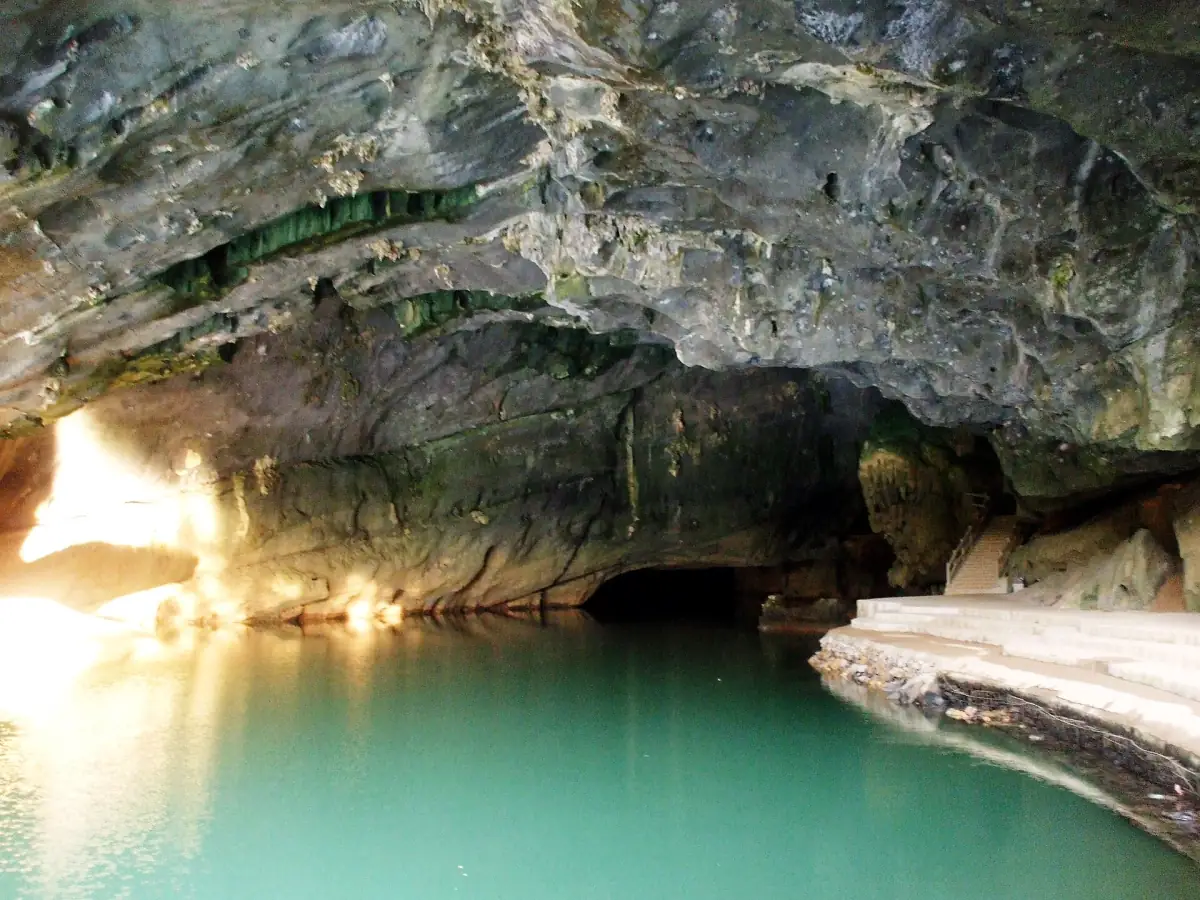
Dong Hoi monthly climate table
Dong Hoi's 1991 to 2020 climate normals give regional guidance for Phong Nha, with monthly mean temperature and monthly precipitation shown separately. The coastal station is not a measurement inside the caves or a forecast for your dates. June's 30.6 °C is a monthly mean, rather than a daytime maximum.
| Month | Mean temperature °C | Rainfall mm |
|---|---|---|
| January | 19.4 | 61.3 |
| February | 20.2 | 24.1 |
| March | 22.4 | 37.5 |
| April | 25.6 | 83.6 |
| May | 28.7 | 94.1 |
| June | 30.6 | 68.4 |
| July | 30.2 | 94.4 |
| August | 29.4 | 158.5 |
| September | 27.6 | 492.0 |
| October | 25.7 | 581.9 |
| November | 23.2 | 256.5 |
| December | 20.3 | 111.4 |
September and November also have substantial rainfall in this record. Treat the table as a comparison of the regional seasonal pattern, not a calendar assigning safe or unsafe days. For your particular boat journey or trek, follow the current operating advice as well as the forecast.
A weather-dependent cave day
Our take: This guided cave day is an option to check against the weather and availability for your dates.
Hand-picked tours, booked through GetYourGuide. Prices are indicative starting prices in US dollars (as of November 2026). Tap a tour for live availability and the current price in your currency.
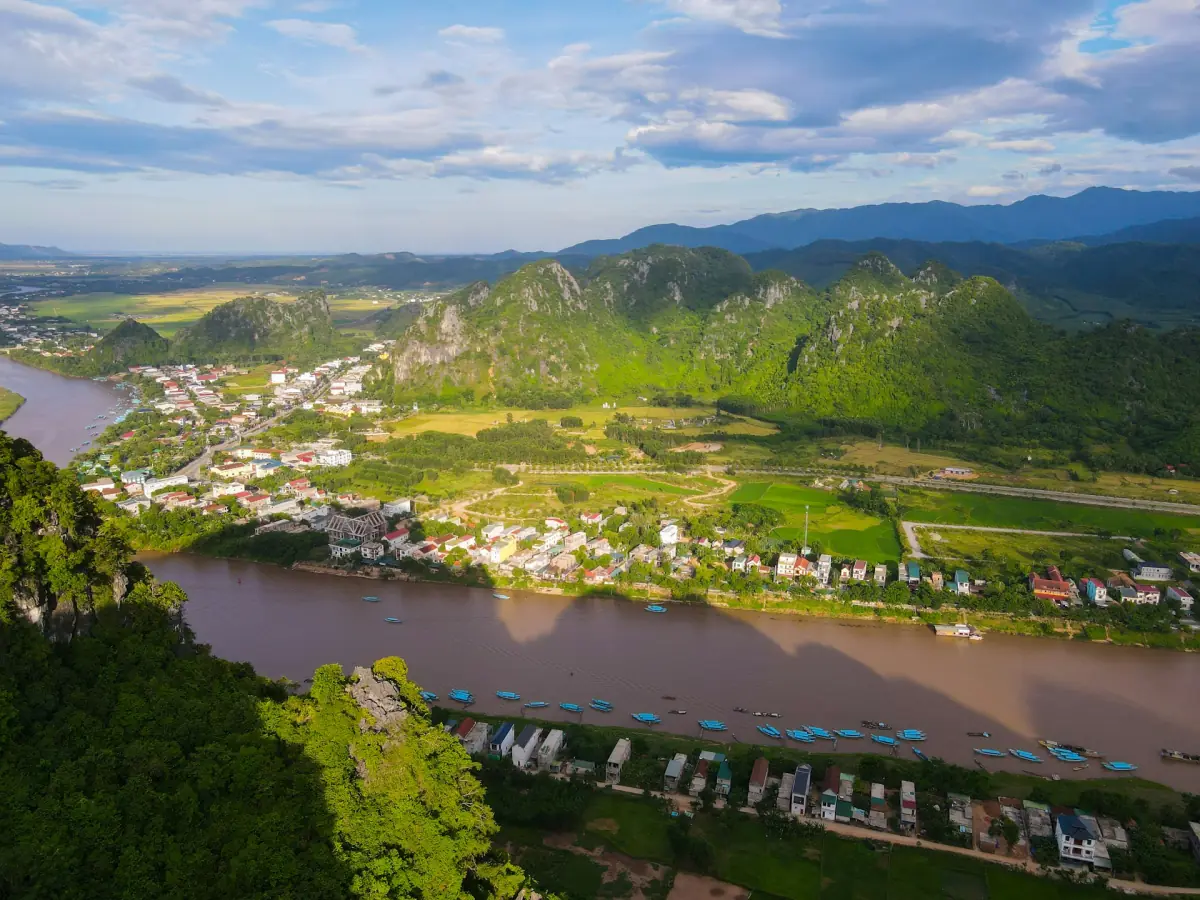
A cave day to fit around conditions
The eight-hour Phong Nha and Dark Cave small-group outing includes a guide and hotel transfer in Phong Nha. Both cave admissions, the Phong Nha boat and lunch cost extra; operation depends on conditions.
Rain and high water
Phong Nha cave access can be restricted by heavy rain and rising water, particularly around water-based routes. The regional tourism description highlights October to December as a rainy-season planning concern. That warning calls for attention to the chosen route, rather than treating all attractions as closed throughout those months.
Keep the Phong Nha boat visit and Dark Cave activities distinct in your itinerary. A change to river activities does not establish the status of every other cave. Follow instructions from the staff responsible for the actual attraction and avoid using a seasonal average as permission to enter. Dark Cave's published activity conditions set 1.1 m for the mud bath and over 40 kg for the long zipline, with a separate play area below 1.3 m or 40 kg. Deep-water activities require staff instructions.
Seasons by cave type
Phong Nha show-cave visits and trekking expeditions have different calendars, so use the season of the particular experience. Son Doong's published expedition window is January to August. Hang En is a trekking and cave-camp journey for which December to August is the clear planning window; arrange any September travel around the specific departure offered.
Tu Lan is a separate cave system near Tan Hoa. Its published expedition window begins in mid-November; arrange any September departure individually. The separate day experience has a year-round advertised window. These are different products, not a shared opening calendar. The expedition guide explains permits, fitness and the distinction between Hang En's river crossings and Tu Lan's swimming requirements.
Planning and alternatives after cancellations
Phong Nha plans work better with an alternative day order than with a promise that a particular cave will run in any weather. Keep arrival, accommodation and sightseeing arrangements separate enough to move a visit when required. Discuss the actual route and conditions when a cancellation occurs before substituting another activity.
The Phong Nha and Dark Cave small-group outing includes a guide and hotel transfer in Phong Nha, with both admissions, the boat and lunch paid separately. Its itinerary is an option for suitable conditions, rather than a guarantee of access. Compare cave-day combinations and organise arrival transfers with that distinction in mind.
Questions about Phong Nha weather and seasons
Which month has the lowest rainfall normal?
February has 24.1 mm in Dong Hoi's 1991 to 2020 monthly rainfall normals, the lowest value in that regional series. The station is on the coast, so use the figure for broad trip planning. It does not predict rainfall or cave access on the particular days you visit Phong Nha.
How should I interpret June's temperature?
30.6 °C is Dong Hoi's June monthly mean temperature for the 1991 to 2020 reference period. It is not the daily maximum and does not describe the temperature inside a cave. Use it to compare regional months while arranging your activity and travel days around the actual forecast and operating advice.
How do I plan a Hang En trip around the season?
Hang En planning can use December to August as the clear seasonal window for the trekking and cave-camp experience. Treat September dates individually and obtain the departure arrangement for your trip. Keep Hang En separate from Son Doong and Tu Lan, since their activity requirements and advertised calendars differ.